Merry Christmas
from everyone in Greenman. Our offices will be closed from Wednesday, 24th December. And will reopen on
Friday, 2nd January.
Merry Christmas
from everyone in Greenman. Our offices will be closed from Wednesday, 24th December. And will reopen on
Friday, 2nd January.
Ireland’s €300 Billion Opportunity
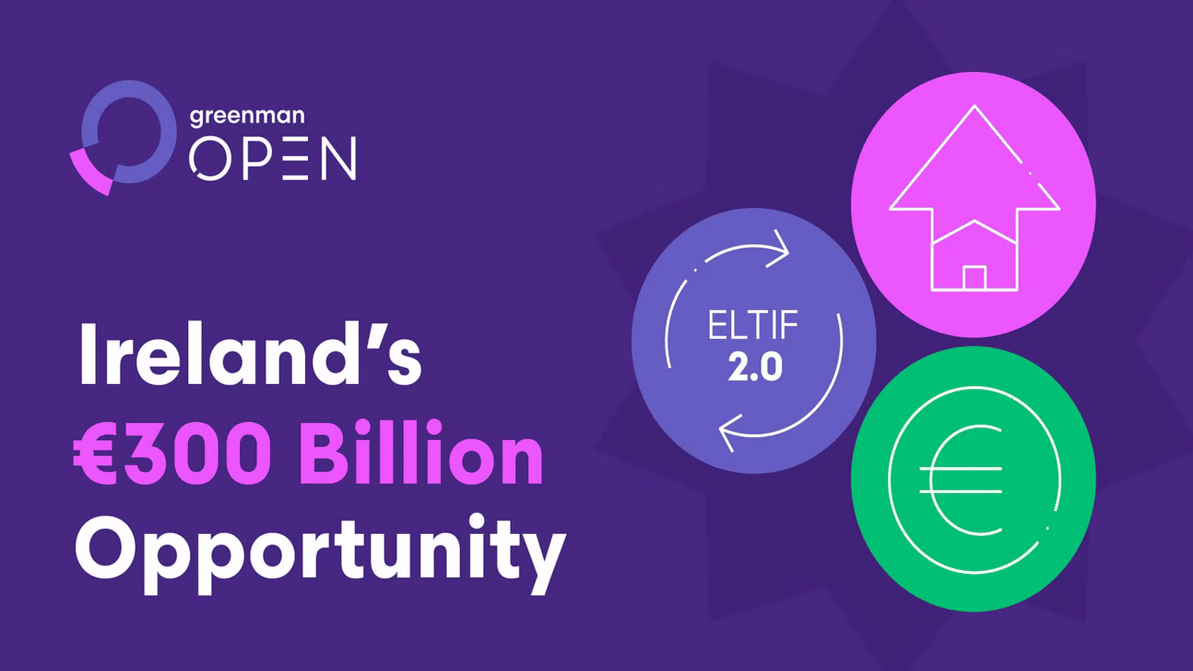
According to a recent Irish Times report, Irish citizens are among the least likely in Europe to invest their savings. Despite having significant capital on hand, most people are not putting it to work in long-term assets or growth-oriented products.
In Ireland, there is now more money sitting in savings than in the entire pensions market. There is clearly no shortage of capital, but there is a shortage of access. Too much of people’s money is sitting in cash, and the investment options outside pensions have remained limited.
For a while, public markets gave people a way to diversify beyond their pension. Buying into equities felt like a practical next step. But that picture is starting to change. Markets have been unpredictable, and investor confidence has taken a hit. With Trump back in office and the US leaning into protectionist policies, global volatility has only increased. On top of that, IPO activity has slowed. From 2001 to 2023, the number of IPOs dropped to just 30 percent of the level seen between 1980 and 2000. Public markets simply do not offer the same kind of long-term opportunity they once did.
At the same time, private markets have been gaining momentum. More companies are staying private for longer. More value is being created off exchange. But access to these markets has traditionally been limited to institutions and the very wealthy. For most people, they have been out of reach.
Until now.
The European Commission recognised this shift and introduced a new framework through ESMA. ESMA, the European Securities and Markets Authority, advises on and helps implement EU financial regulation. ELTIF 2.0, which came into effect in 2024, lowers investment barriers, broadens the types of funds allowed, and streamlines how those funds are run. It is designed to open private markets to a wider range of investors and turn regulation into real access.
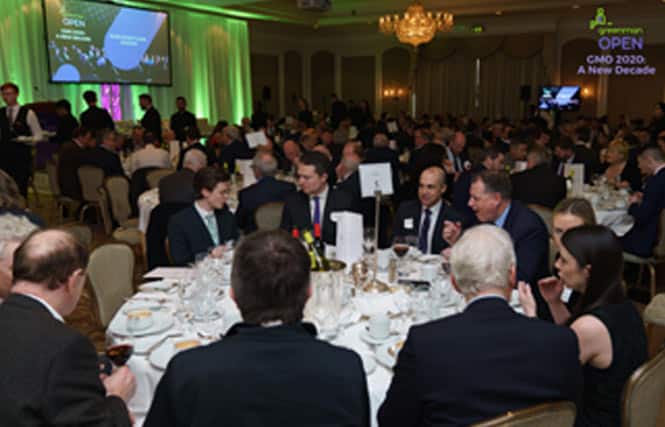
That message is also being echoed at the Irish political level. Speaking at the OPEN Invest event, Minister Jack Chambers made it clear:
“We need to be even more ambitious about what actions we must take as a country. Deepening integration of the single market, reducing red tape, balancing regulation and developing our Capital Markets Union must be key areas for boosting Europe’s global competitiveness.”
He also noted the importance of financial services in supporting innovation and long-term growth, both in Ireland and across Europe. That aligns directly with what the ELTIF framework is designed to achieve.